Did you know that local elections are happening right now in North Carolina?!
On Tuesday, September 12th primary elections took place in Charlotte and Sanford.
But wait…more elections are coming!
In October, many municipalities will be having primary elections. And on Tuesday, November 7th, 550 towns and cities across the state will be having a general election.
For those who get confused about the difference between primary and general elections, it’s ok. Primary elections occur when multiple people are running for the same office. There are partisan primaries (where multiple people are running for the same office and running from the same political party) and nonpartisan primaries (where multiple people are running for the same office but their party affiliation is not listed on the ballot). Primary elections occur to help narrow the political field for the general election.
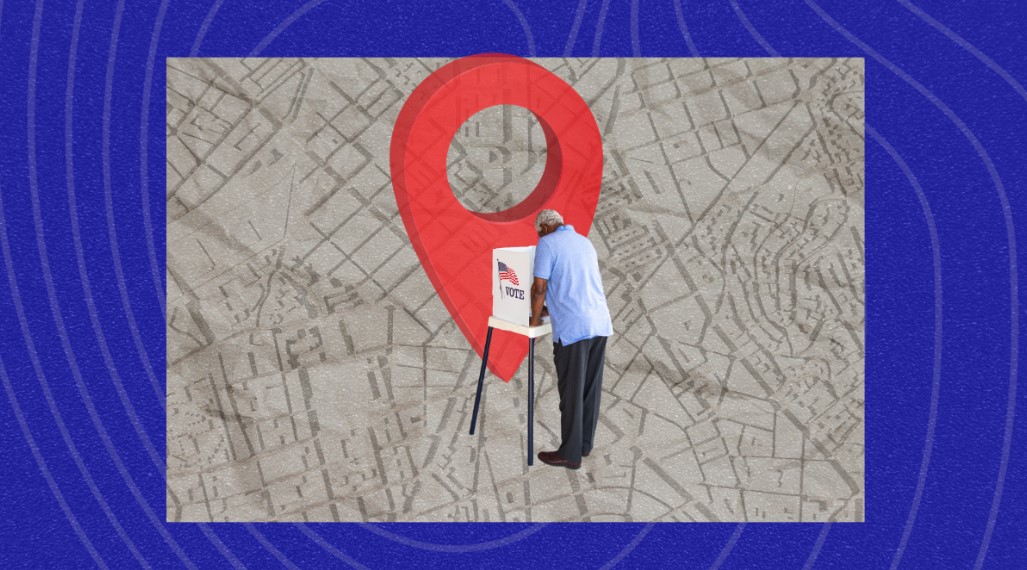
Are you wondering if you have an election this year?
Click here to see. By looking yourself up in this voter search tool, you can make sure that you are registered, find your polling place for election day, and a sample ballot when it is available.
What if you are not registered or need to update your voter registration?
First, click here to view a list of all the local elections to make sure you have an election this year. Then, make a plan to vote early! Fortunately in the state of North Carolina during early voting (one stop voting), you can register to vote and vote on the same day. Click here to find a one-stop voting site in your county. In order to register during one stop voting, click here to see what you need.
For those of us who have elections this October and November, here are some things to keep in mind.
- If you can, vote early. It never hurts to vote early. On Thursday, September 21st, early voting started for October municipal elections and will go through Saturday, October 7th. Click here to find an early voting site.
- Whenever you decide to vote (whether it be early or on election day) make a plan and invite at least one person with you so you can hold each other accountable. In this plan, decide what day, time, and where you will be voting. Then, put it on your calendar so you don’t forget.
- Before you go vote, remember to bring a photo ID. A photo ID is required to vote in this election cycle. Here is a list of acceptable IDs that can be used and here is information on how to get a free voter ID from your county board of elections.
- After you vote, show off your “I voted” sticker. Show the world that you made a difference by voting in your local elections.