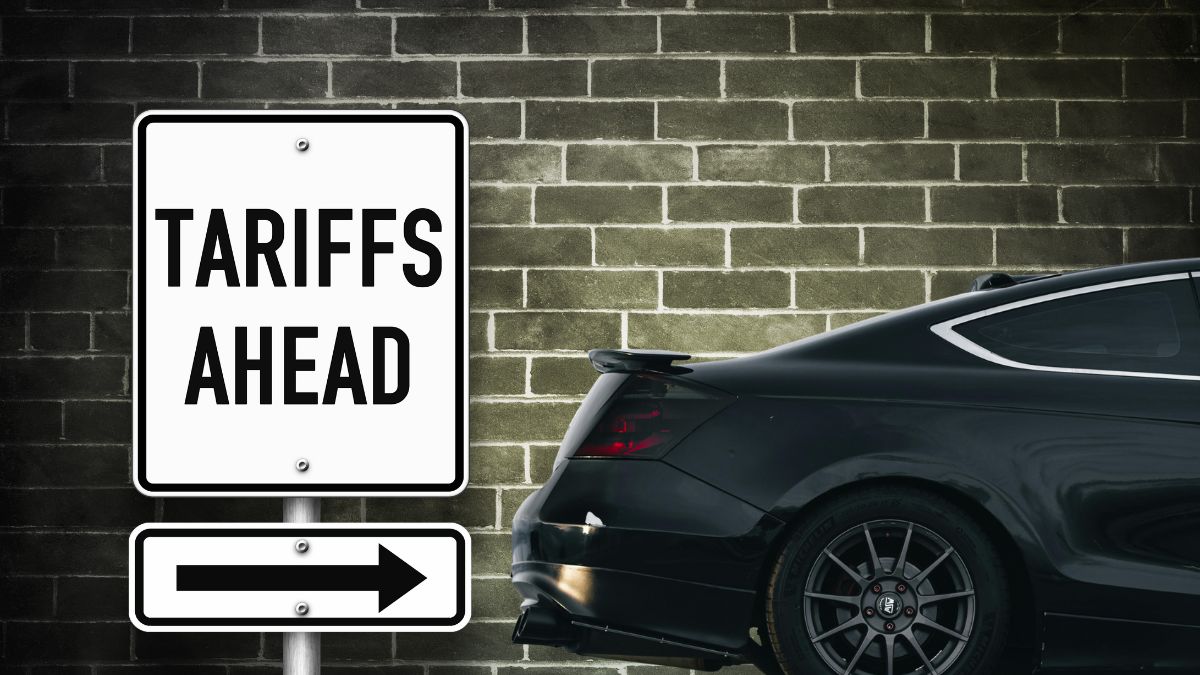
The neon lights of Saturday night meet-ups across North Carolina are dimming as the state’s vibrant car culture faces an existential threat: the skyrocketing cost of parts due to the Trump administration’s sweeping new tariff policies.
For decades, North Carolina has served as a hub for automotive enthusiasm, bolstered by its deep NASCAR roots and a massive community of aftermarket tuners. However, the implementation of 25% tariffs on imported auto parts in May 2025, combined with 50% tariffs on steel and aluminum and even higher rates for parts from China, has sent shockwaves through the local supply chain.
The Specialty Equipment Market Association (SEMA), which represents the $337 billion specialty automotive industry, has been vocal about the damage these trade barriers are causing to small businesses and hobbyists.
In a formal letter to the administration, SEMA President and CEO Mike Spagnola emphasized that many aftermarket companies have no choice but to use imported components because domestic alternatives simply do not exist.
“Where domestic alternative components do not exist, flexibility is limited, and vulnerabilities are heightened,” Spagnola stated in the letter. “Where this exists, tariffs become punitive, and companies require protective benefits.”
For North Carolina’s thousands of specialized “speed shops,” these costs are often passed directly to the consumer, making even basic modifications or necessary repairs prohibitively expensive.
According to the car-culture site, The Autopian, one of the dirtiest words in the car import community lately is “tariff”, as import fans are suffering from sticker shock due to the increased prices.
For North Carolina, which is home to over 470,000 manufacturing jobs, a report from Tariffs Cost Us predicted that tariffs would increase costs for car companies, leading to higher prices for customers—particularly those working on modification projects.
Following the tariffs going into effect last August, an analysis from the Wall Street Journal found that the automotive industry reported an almost $12 billion hit in financial losses due to tariffs. The loss was the biggest hit the automotive industry has faced since the COVID-19 pandemic, according to the Wall Street Journal.
One of North Carolina’s largest automotive companies and a favorite for some import fans, Toyota, reported one of the biggest hits among the rest of the foreign car companies. The Wall Street Journal analysis found that Toyota took a $3.06 billion hit from tariff duties.
Volkswagen, which has clubs for owners and enthusiasts of Volkswagen and Audi automobiles across the U.S., including in the Triangle, took a $1.05 billion hit from tariff duties.
At “Cars and Coffee” events in Charlotte and Greensboro, the conversation has shifted from performance specs to the “tariff tax.” High-end modifications—such as forced induction kits, forged wheels, and specialized electronics—often originate from manufacturers in Japan, Europe, or China, where tariffs are most severe.
As the 2026 show season begins, many North Carolina car enthusiasts are choosing to park their projects rather than pay the inflated costs, leaving the future of the state’s automotive heritage in a period of deep uncertainty.