Source: Public News Service
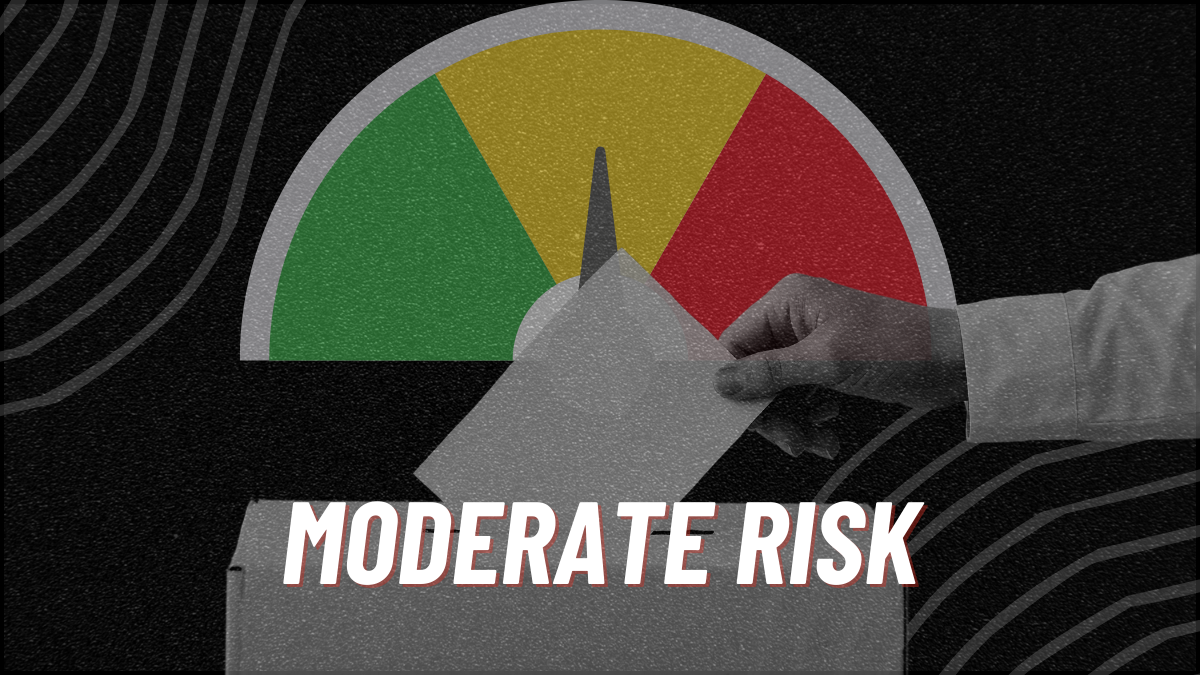
A new report by the Movement Advancement Project (MAP) rates North Carolina at “moderate risk” of election denialism jeopardizing future elections.
The report outlines five key threats that make up election denialism, which includes enacting restrictive voting measures, electing election deniers to key positions of power, harassing elected officials, interfering with election results, and promoting disinformation about elections.
States were ranked from low to high risk depending on the number of policy protections in place to combat election denialism, with the fewer the protections, the higher the risk. North Carolina scored a 4 out of 11 in policy protections, which placed it in the moderate risk category.
North Carolina got credit for requiring some form of post-election audit and ensuring most voters can use hand-marked paper ballots, which are harder to tamper with. But it was marked down for not having a state-level voting rights act or a law protecting election officials against threats, among others.
“The good news is that states can act before the 2024 elections to fill gaps in laws that allow election denialism to undermine democracy,” wrote Brian Hinkle, Senior Voting Policy Researcher for MAP on The Fulcrum. “Now is the time for states to pass laws to prevent 2024 from being a repeat of 2020’s election denialism crisis,” he wrote.