Last week, the Sierra Club released a report on the harmful impacts of a proposed pipeline project for numerous communities in North Carolina.
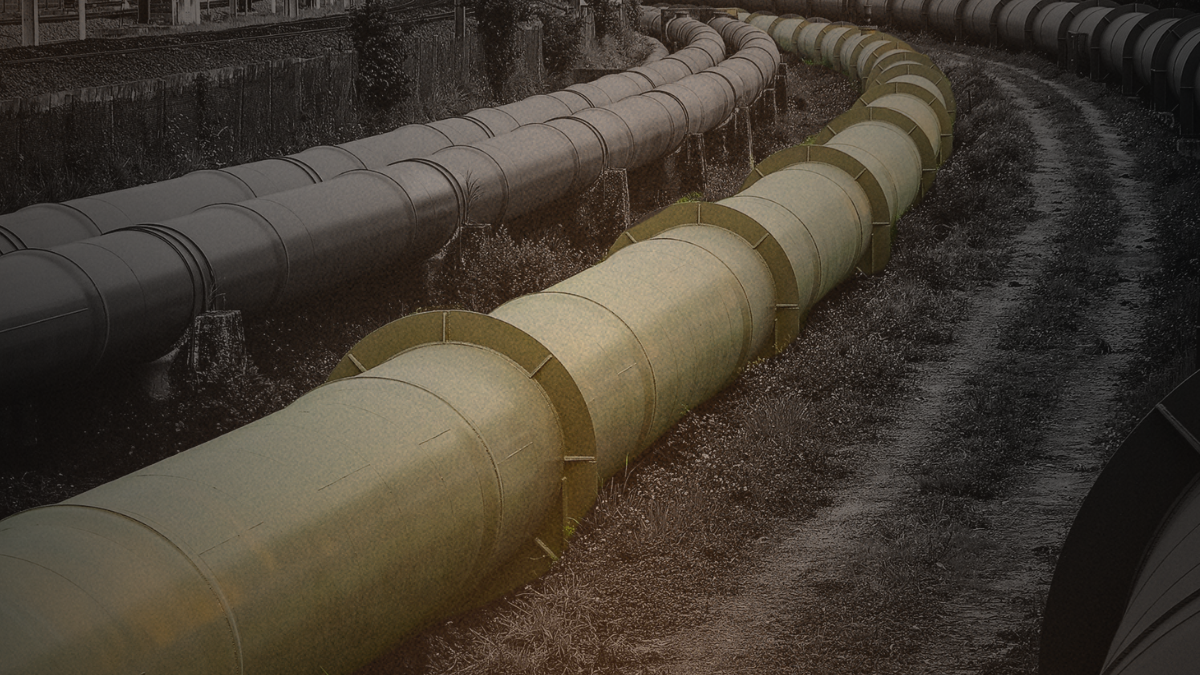
Transco’s Southeast Supply Enhancement Project would build a pipeline from Virginia to Alabama that would move up to 1.5 billion cubic feet of methane gas each day, according to the report.
NC Newsline reports that the pipeline would add 24 miles of 42″-wide pipeline in Guilford, Forsyth, and Davidson. Another expansion would bring an additional 31 miles of 42″-wide pipeline in Pittsylvania County, Virginia, and cross into Rockingham County, North Carolina.
“That’s 55 miles of new pipeline total that would be located largely alongside existing pipeline,” said Alison Kirsch, senior energy campaigns analyst for the Sierra Club, during a press conference on the report. “Air pollution is already bad in the areas where Transco is proposing to build SSEP, including in low-income and communities of color.”
According to environmental and local leaders, the project would have detrimental effects on the state, particuarly for low-income North Carolinians and communities of color, which would be disproportionately affected.
“We are already overburdened by industrial pollution,” said Dr. Crystal Cavalier-Keck, director and co-founder of 7 Directions of Service, an indigenous-led organization focusing on environmental justice, during the press conference. “These communities are treated as sacrifice zones for fossil fuel expansion with little to no say in the decision-making process.”
The report, co-written by The Sierra Club with 7 Directions of Service, provides recommendations for the Federal Energy Regulatory Commission, the North
Carolina Department of Environmental Quality, and other decision-makers to apply
closer scrutiny to the potential impacts of the proposed project.
“The data is clear. Pollution is already high in several communities where Transco proposes to build its Southeast Supply Enhancement Project. Rightfully, there is growing public concern over SSEP and the dangers this project poses into the future,” stated Dr. Cavalier-Keck in the report’s press release. “We urge state-level regulators and representatives to do the right thing: Carry out a robust evaluation, protect the most vulnerable North Carolinians, and ensure impacted folks are heard at every stage”.
Original Source – https://ncnewsline.com By: Christine ZhuPhoto Credit – Produced by Appalachian Voices and republished in the 7 Directions of Service/Sierra Club report “Overburdened and Overlooked: Communities Harmed by Transco’s Southeast Supply Enhancement Project.”