Source: CBS 17
At least four lawsuits challenging North Carolina Republican-backed laws aimed at changing election rules in the lead-up to the 2024 presidential election have now been filed.
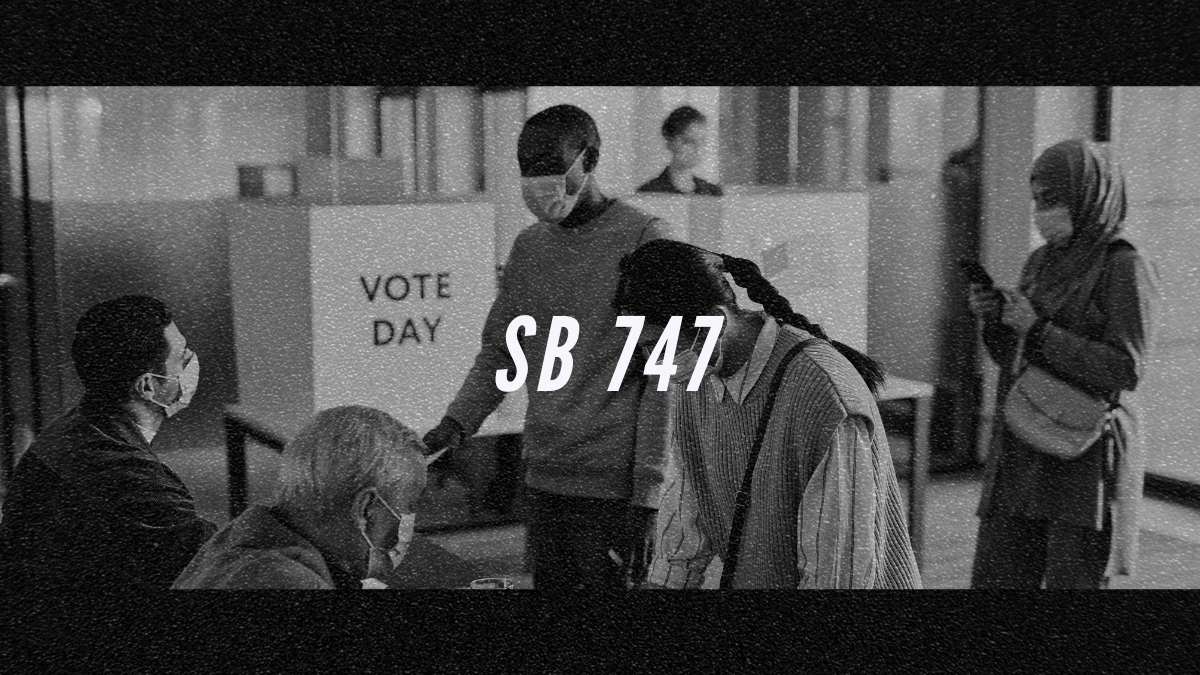
One of those lawsuits was filed on Oct. 17 by pro-democracy groups who said North Carolina’s Senate Bill 747 is “an unconstitutional burden on the fundamental right to vote of young North Carolinians,” CBS 17 reported.
The lawsuit was filed by the League of Women Voters of North Carolina, Democracy North Carolina, and North Carolina Black Alliance, with representation by the Southern Coalition for Social Justice.
The suit claims that the bill impedes the right of young people to register to vote and have their ballot counted the same day.
“Same-day registration is critical to ensure access to the ballot, especially for North Carolina’s younger voters,” said Jennifer Rubin, president of the League of Women Voters of North Carolina. “SB 747 is a direct assault on the voters who use same-day registration the most, and the League is committed to dismantling any such barriers to the ballot.”
Sen. Natasha Marcus, a Mecklenburg County Democrat, called Senate Bill 747 “the jumbo jet of a voter suppression bill” at a news conference back in June when the bill was introduced.
The bill, which Republicans claimed was needed to address so-called “election security,” attempts to restrict early voting and absentee ballots, encourages voter intimidation and will lead to Republican legislators having the authority to decide contested election results.
Senate Bill 747 passed through the legislature thanks to Republican supermajorities in both chambers and was vetoed by Gov. Roy Cooper. On Oct. 10, Republicans overrode the governor’s veto.
A week later, the lawsuit was filed. It states that the bill will impact many North Carolina voters and will make voting harder and less accessible.
“Unfortunately, we have witnessed a consistent effort from our state’s leadership to create countless barriers for our voters, more specifically naming one of our most vulnerable populations, young adult voters,” said Jovita Lee, program director for North Carolina Black Alliance.
The bill will also have a big impact on young Black voters.
“We have a duty to ensure that our young voters, especially those that attend our Historically Black Colleges and Universities that have been historically impacted by legislation such as this, can equitably access the ballot box and fully participate in our democratic process, per their given right,” Lee said.
In addition to this lawsuit, Gov. Cooper filed a lawsuit against Senate Bill 749 on the same day. Two other lawsuits were filed against Senate Bill 747 on the day Republicans overrode Cooper’s veto – one of those lawsuits was filed by the Democratic National Committee and the other was filed by Voto Latino and Down Home North Carolina.