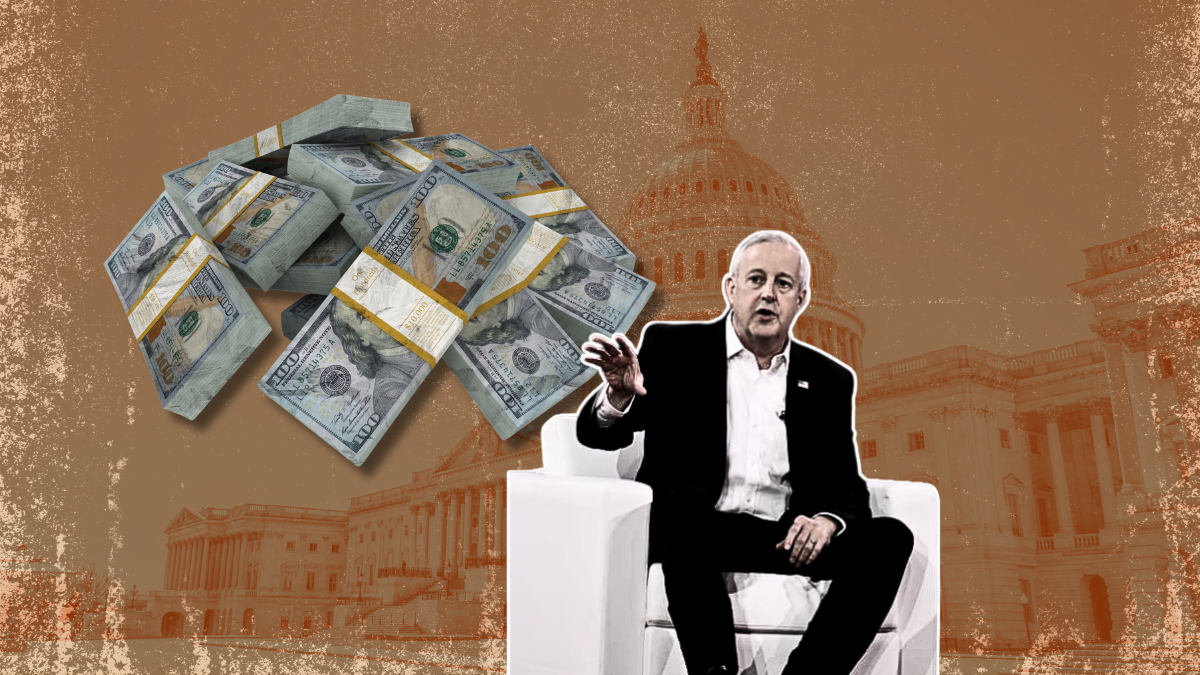
While families across North Carolina face rising health care costs, higher utility bills, and growing economic uncertainty, Republican U.S. Senate candidate Michael Whatley has spent much of his career inside Washington’s political establishment.
Whatley built his professional career as a Republican political operative and party leader in Washington, earning substantial compensation while working alongside national party insiders and major donors. His resume reflects years spent navigating high-level GOP politics and consulting networks tied to corporate interests.
The North Carolina Democratic Party described Whatley as a “DC insider” who “has spent his career in Washington getting rich while North Carolinians struggle to make ends meet.”
Whatley previously served as chairman of the North Carolina Republican Party before rising to national leadership within the Republican National Committee. His time in Washington positioned him among party elites as he advanced through the ranks of national Republican politics.
Meanwhile, North Carolinians are continuing to call for policies that lower costs and strengthen economic security. Advocates across the state have pushed lawmakers to prioritize affordability, invest in public services, and hold corporate interests accountable.
As the 2026 Senate race develops, Whatley’s record reflects years spent inside Washington’s political and consulting world. Voters will consider that background as they weigh who is best positioned to address the economic challenges facing working families across the state.