
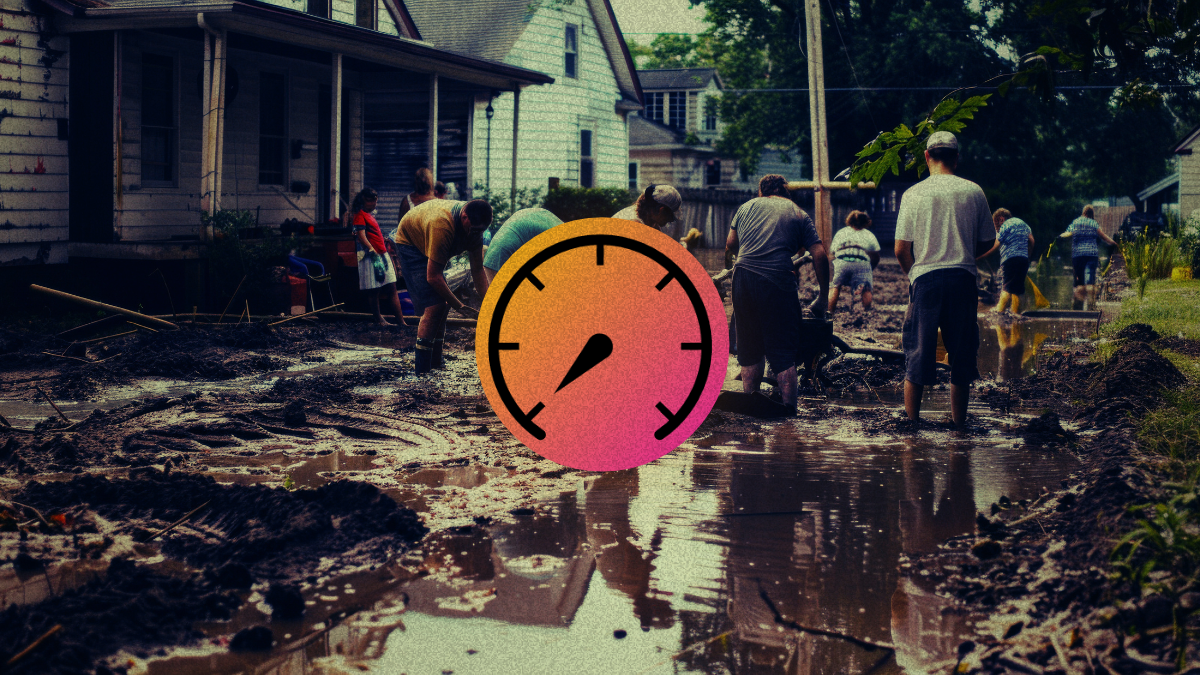
More than two years after Hurricane Helene devastated Western North Carolina, communities are still waiting for billions in federal recovery assistance.
New reporting from NPR details how staffing cuts, increased bureaucracy, and funding restrictions imposed by the Trump administration slowed disaster relief and left communities struggling to rebuild.
The storm killed more than 100 North Carolinians, damaged or destroyed over 70,000 homes, and caused an estimated $60 billion in damage and recovery needs.
In a November 14 NPR interview, Blue Ridge Public Radio reporter Gerard Albert III identified three major obstacles that worsened FEMA’s existing problems: new paperwork requirements under the Department of Government Efficiency (DOGE), the loss of nearly 20% of FEMA’s workforce, and a policy requiring Homeland Security Secretary Kristi Noem to personally approve spending above $100,000.
Noem’s approval requirement contributed to a $17 billion nationwide backlog in disaster assistance. In North Carolina, more than $100 million in previously approved recovery funding was held up, delaying reimbursements for debris removal, infrastructure repairs, and other essential recovery projects.
Throughout those delays, Michael Whatley, whom President Trump had appointed to help oversee the recovery, publicly praised Noem’s leadership.
In September 2025, Whatley said Noem was “doing a great job” handling Helene recovery. Two months later, he thanked Trump and Noem for their leadership and commitment to rebuilding Western North Carolina.
Whatley also supported proposals to reduce the federal government’s role in disaster recovery. As a member of Trump’s FEMA Review Council, he participated in developing recommendations to shift more disaster recovery responsibilities to state and local governments. The council approved its final report in May 2026, after months of delays in delivering federal assistance.
Whatley went further in his public statements. Asked at a May campaign event whether he would eliminate FEMA, he responded, “I’ve suggested the president do that.”
Meanwhile, investigations found little documentation of Whatley working directly with the communities he was appointed to help.
A Facing South and The Nation investigation found that 12 of 15 hard-hit counties responding to public records requests had no records of Whatley communicating with county officials about Helene recovery. Four Western North Carolina mayors also said he had never contacted them.
Additional public records obtained by the Asheville Citizen Times documented just six text messages and five phone calls totaling 38 minutes between Whatley and a senior state recovery adviser over roughly a year. The records do not capture every possible communication, and Whatley maintained that he had participated in dozens of meetings and calls.
Whatley’s campaign defended the federal response, claiming more than $11 billion had been provided for recovery. However, WRAL reported that the state’s recovery database showed a lower figure, while billions in additional federal assistance remained outstanding.
The consequences remain visible across Western North Carolina. In Yancey County, resident Ryan Wiebe described to NPR debris from destroyed buildings and homes covering his family’s property more than a year after the storm. Four members of his family died in the flooding.
Helene recovery became a major issue in the 2026 elections, when Democrats won North Carolina’s U.S. Senate race and made gains in Western North Carolina. Newly elected Democratic Congressman Jamie Ager has identified securing additional recovery funding as his top priority.
“We’re focused on No. 1, Helene recovery funding for Western North Carolina,” Ager told NPR. “Our plan is to push that legislation forward with whoever we have to work with in the leadership of the next Congress.”