Source: WRAL
Home owners purchasing rooftop solar systems currently receive a payback from Duke Energy for the electricity their solar panels over produce during daylight hours which is called “net metering”. This coupled with a federal tax rebate has made rooftop solar affordable for folks wishing to reduce their carbon footprint and help in fighting climate change.
Unfortunately, House Bill 589, which became law in 2017, ordered changes to net metering, but only after conducting a study of the costs and benefits of it.
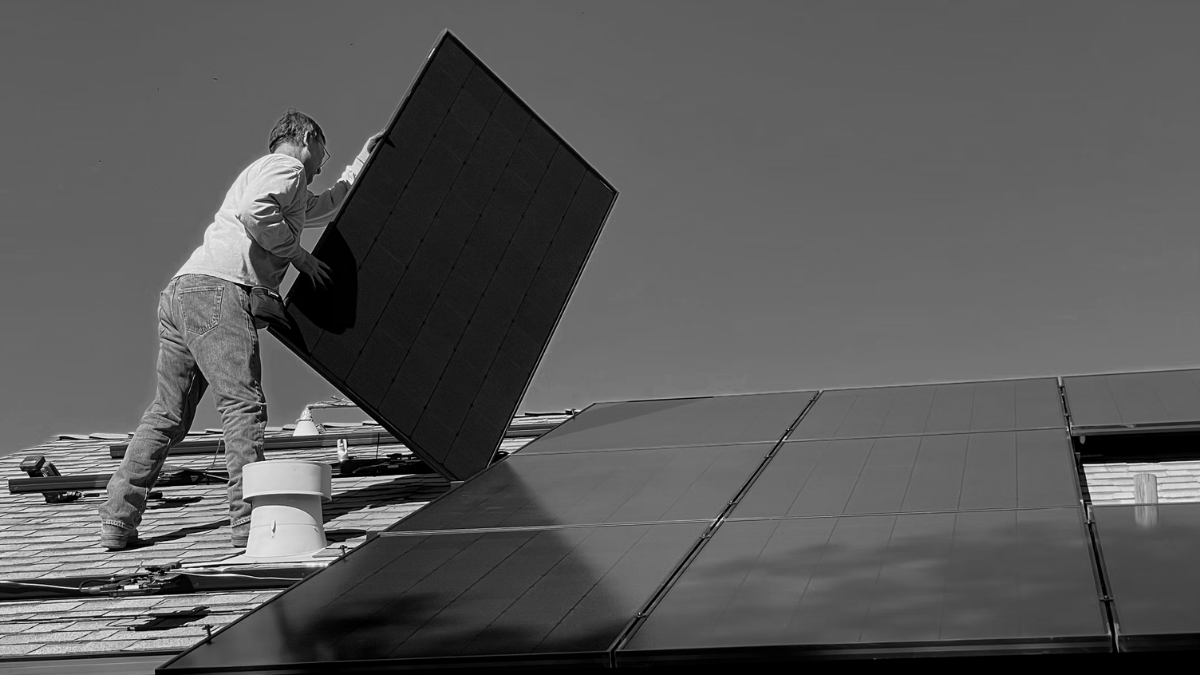
Steve Miller, owner of YES Solar Solutions in Cary, says the proposed deal would cut the value of his product by 25 to 30 percent.
“Frankly, I think it’s going to cause a lot of people to doubt whether solar is the right avenue for them to take in the future,” Miller said. “I think it’s unfair to people that want to invest and do the right thing for the climate.”
The NC Utility Commission should do its own, impartial study of both aspects of net metering before making any decisions on eliminating the payback. Duke Energy’s net income amounted to approximately 3.6 billion in the financial year 2021. It seems clear that the net metering payback to consumers isn’t hurting their bottom line.