
Recently, there have been reports of pressure from Raleigh Republicans on officials in Jackson County, along with emails suggesting the Auditor’s office was weighing in on the location of an early voting site in Cabarrus County.
In the past few weeks, there have been many questions about the role the Auditor’s office is playing in local election administration.
No one should be surprised.
In 2016, then-North Carolina Republican Party Executive Director Dallas Woodhouse sent an email to Republican election officials across the state. In that email, he argued against Sunday voting. He argued against additional early voting sites. He dismissed the idea that college students should have dedicated voting locations. Perhaps most importantly, he reminded Republican election board members that, as Republican appointees, they had a duty to consider Republican perspectives.
He told us exactly how he viewed election administration.
And he wasn’t speaking in the abstract.
Even then, it was well understood that Black voters disproportionately relied on early voting opportunities and that Sunday voting played a unique role in voter turnout through church-based “Souls to the Polls” efforts. College voting sites were intended to make voting more accessible to young voters. The policies Woodhouse opposed were not random. They were voting opportunities heavily used by Black voters and younger voters.
Today, polling shows overwhelming support for both Sunday voting and college campus voting sites. Large majorities of Democrats, Republicans, and unaffiliated voters support both.
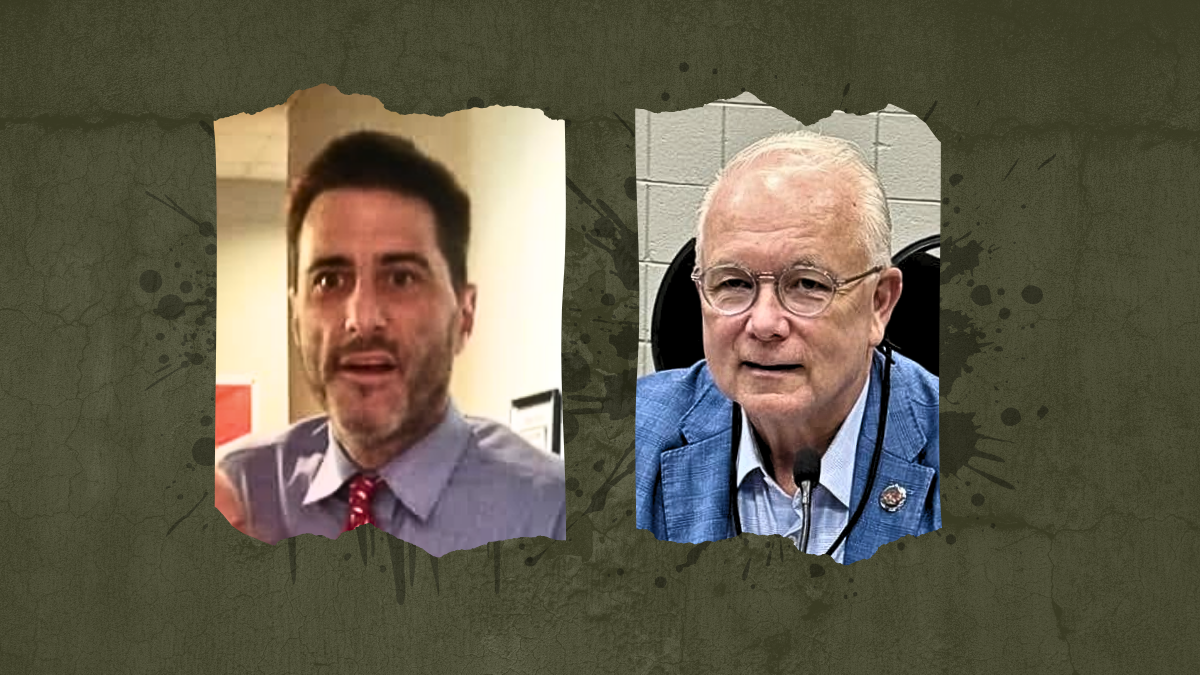
A decade later, State Auditor Dave Boliek hired Woodhouse as his liaison to the county boards. Nobody could reasonably claim they didn’t know where Woodhouse stood. He had spent years publicly arguing against many of the very voting practices that are now under pressure. Boliek did not inherit Woodhouse. He chose him. Personnel decisions reveal priorities, and this one revealed a great deal.
So it should come as no surprise that the very policies and priorities outlined in Woodhouse’s 2016 email began appearing in real-world election disputes.
Earlier this year, early voting sites were removed from multiple college campuses, including North Carolina A&T, one of the nation’s largest historically Black universities. Students at Western Carolina University lost their on-campus voting site and faced a significantly longer trip to vote. Communities that rely on Sunday voting continue to face uncertainty about whether those opportunities will remain available.
The names and counties may be different, but the underlying fights are remarkably familiar.
Read the Woodhouse email again.
He argued against campus voting sites. Campus voting sites were removed.
He argued against expanded voting opportunities. Expanded voting opportunities continue to face pressure.
He reminded Republican election officials that they had a duty to consider Republican points of view. Now questions are being raised about whether state political actors are influencing local election decisions.
The issue is not whether every one of these events can be traced back to a single person or a single office. The issue is that none of this should be surprising.
For years, voting rights advocates warned that the fight over election administration was not merely about efficiency or government reorganization. It was about who would exercise power over the rules governing our democracy.
Then the people who spent years arguing against voting access and fighting over election rules were handed authority over election administration.
The roadmap was there all along.
The people now exercising influence over North Carolina’s elections did not hide their views. They expressed them publicly. They built careers advancing them. And when they were given power over election administration, they brought those same views with them.
They told us who they were. The only surprising thing is that anyone is still pretending not to believe them.
Terence Everitt, Executive Director, NC Voter Protection Alliance