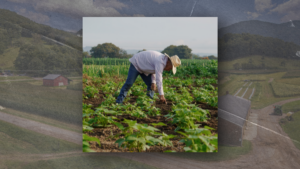

North Carolina state and local leaders gathered at Oak Grove Elementary School to urge the General Assembly to fund the state’s Farm to School program.
The program, which was founded in 1997, is run by the N.C. Department of Agriculture and the Department of Public Instruction with a focus on delivering fresh, local produce to public schools across the state.
The event also featured state Democratic Sen. Jay Chaudhuri and other speakers, including Wake County Public Schools Superintendent Robert Taylor. Chaudhuri called for the General Assembly to provide $2.5 million to the Farm to School program and $1.9 million for the Sun Bucks summer food program to compensate for the lack of funding due to the Trump administration stripping away funding from the Department of Agriculture.
Back in March, the Trump administration eliminated the program after a review from the so-called Department of Government Efficiency run by billionaire Elon Musk. The Trump administration cut $12.5 million from the program that helped public school children eat and supported local farmers.
“We legislators in North Carolina must decide how we are going to respond and what we are going to prioritize, and I can’t think of any more deserving of our support than putting fresh North Carolina-grown foods on the plates of North Carolina students,” said Chaudhuri.
For North Carolina, local schools served 73.1 million breakfasts and 128 million lunches, the vast majority of which were provided for free to students from low-income families.
According to UNC’s Media Hub, child food insecurity is a significant issue in North Carolina, with nearly one in six children experiencing some form of food insecurity.
Adequate funding for school lunches and SNAP, the federally funded Supplemental Nutrition Assistance Program, helps multiple school districts.
Not only do these programs provide healthy meals, but they also make food affordable for families and provide a reliable market for local farmers to supply food to schools.
With our state’s budget still not being solidified, attention to the lack of funding for nutritional programs is a focal point as we continue to advocate for food justice.