Most North Carolinians dread a trip to the DMV. Long waits, confusing paperwork, and rigid documentation rules are simply part of the experience.
Now imagine that same bureaucratic headache attached to something far more important: your right to vote.
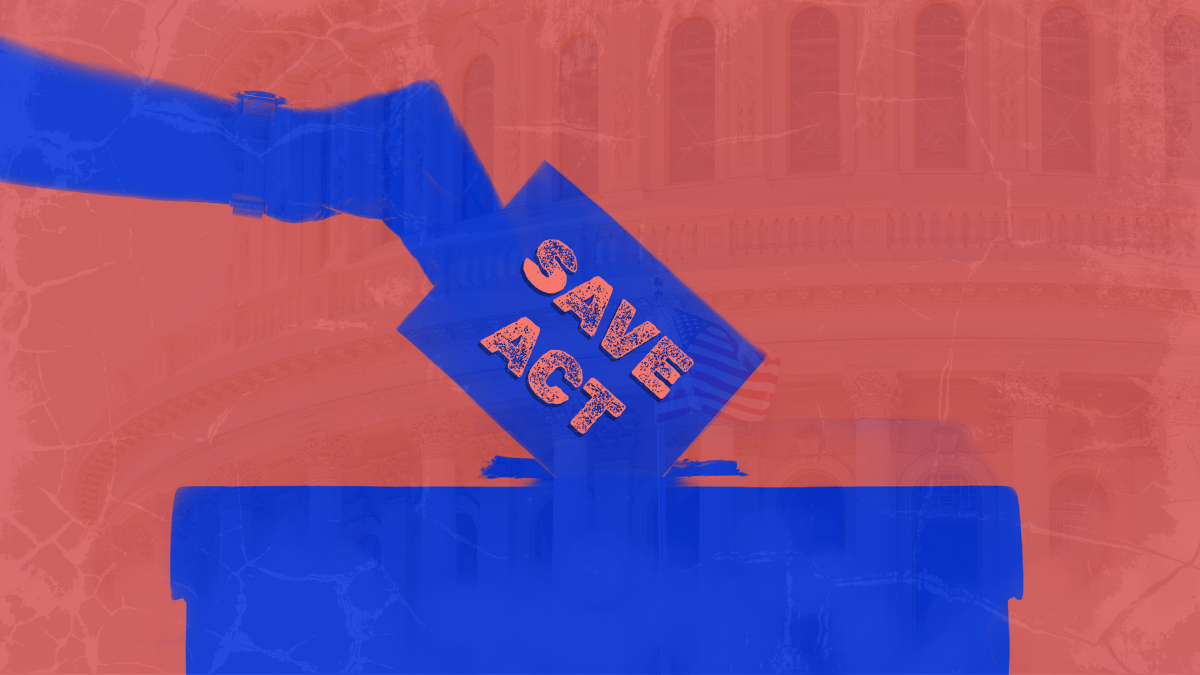
That could become reality if the Safeguard American Voter Eligibility (SAVE) Act, which was recently passed by the U.S. House, becomes law. The legislation is now headed to the Senate, and if approved, it would dramatically change how Americans register and vote. In states like North Carolina, the impact could be especially severe.
On paper, the bill sounds straightforward. Supporters say it is meant to ensure only U.S. citizens vote in federal elections. But noncitizen voting is already illegal and extremely rare. What the legislation actually does is add a new layer of bureaucracy to voter registration that many eligible citizens may struggle to navigate.
Under the SAVE Act, anyone registering to vote would have to provide specific documents proving U.S. citizenship. While that requirement sounds simple on the surface, it would introduce several hurdles to voter registration.
For many North Carolinians, the most common forms of identification won’t qualify. Even the Real ID driver’s licenses that residents have spent years obtaining wouldn’t work because North Carolina licenses don’t list citizenship status.
A passport would qualify, but most North Carolinians don’t have one. About 56% of residents lack a passport, leaving millions without the easiest form of documentation the law would accept.
That means many voters would likely need to produce both a photo ID and a birth certificate to prove their citizenship.
For some people, that’s a minor inconvenience. For others, it could be a serious barrier. Older residents who grew up in rural areas may not have easy access to their birth records. Replacing a birth certificate can take time, money, and navigating yet another layer of government bureaucracy.
And for millions of American women, the situation becomes even more complicated.
An estimated 69 million American women and 4 million men have birth certificates that do not match their current legal name because of marriage or other life changes. Birth certificates reflect the name someone had at birth, not necessarily the name they use today.
Voting rights advocates say this could create extra hurdles for married women as well as LGBTQ+ individuals who have changed their legal names. Each mismatch between documents could require additional paperwork to verify identity.
Supporters of the bill have brushed aside those concerns. Rep. Tim Burchett of Tennessee, a vocal advocate, has argued that updating documents after a name change is easy and that claims the law would disenfranchise married women are exaggerated.
But critics say the problem isn’t just whether the paperwork can eventually be resolved. It’s the bureaucratic burden itself, and how many people will simply give up when the process becomes too complicated.
The SAVE Act would also change how North Carolinians register to vote.
Currently, millions of residents use the DMV’s online system to register or update their voter information when renewing their driver’s license. Under the proposed law, that convenience would disappear. Instead, voters would have to present their citizenship documents in person to election officials.
That shift could effectively end many voter registration drives as well. Volunteers who register voters at community events, churches, or college campuses would no longer be able to simply collect forms. Anyone signing up would still have to make a separate trip to a government office with the required documents.
The bill would also require voters to present eligible photo identification when casting a ballot and would require mail-in voters to include a scanned copy of their ID with their ballot. States would also be required to review voter rolls and remove suspected noncitizens after submitting records to the Department of Homeland Security.
Critics warn that those reviews have sometimes mistakenly removed legitimate voters in the past.
Perhaps most concerning is how quickly these changes could take effect. Unlike many major election law overhauls, the SAVE Act includes no transition period.
Election officials would have to implement the new system almost immediately, while simultaneously educating voters about the new requirements.
“There’s absolutely no runway for this bill,” Gréta Bedekovics, a democracy policy expert, warned. “Overnight, you would be changing the way that every single American registers to vote, and how millions of people actually vote at the ballot box, and elected officials would have to be doing all this education in real time.”
Meanwhile, political pressure around the bill is intensifying. Trump has recently demanded that the Senate pass the legislation quickly and said he would refuse to sign other bills until it reaches his desk.
North Carolina has already spent years implementing and educating voters about its own voter ID law. The SAVE Act would effectively reset those rules overnight, replacing them with a more complicated federal system that could confuse voters and election officials alike. It would also make the entire process, from registration to actually casting your vote, harder and more expensive for millions of North Carolinians.