The North Carolina Supreme Court’s Republican majority has upheld a Utilities Commission decision allowing Duke Energy to earn higher profits, likely increasing electricity bills for many North Carolinians.
The decision means customers in western and central North Carolina could end up paying millions more for the same electric service provided elsewhere in the state. Critics argue the ruling places the financial interests of a powerful utility company above the needs of working families already struggling with rising costs.
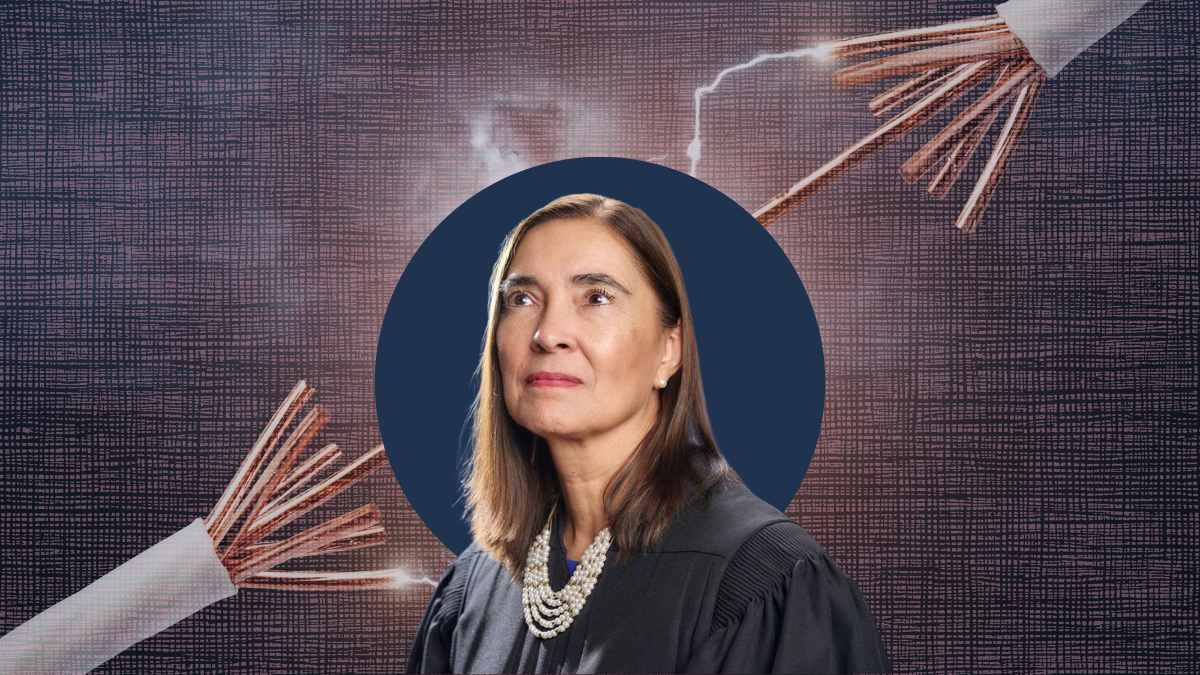
In a sharply worded dissent, Justice Anita Earls, joined by Justice Allison Riggs, said the Commission’s decision was “quite plainly unlawful and arbitrary”.
Earls criticized the Court’s majority for largely accepting the Utilities Commission’s conclusions without closely examining whether the rate increases were justified under state law.
“Our critical review requires more. Ratepayers across North Carolina deserve more,” Earls wrote.
North Carolina law requires utility rates to be set at the “lowest possible cost to the using public” while still ensuring reliable service. Earls pointed to evidence presented before the Commission showing that nearly 20 percent of North Carolinians were unable to pay their electric bills at least once in 2021. She also noted testimony warning that Duke Energy’s proposed increases could raise the average customer’s annual bill by more than $240 by 2026 — equivalent to roughly 33 additional hours of work each year for someone earning minimum wage.
The dissent further highlighted what Earls described as inconsistent treatment between Duke Energy Carolinas and Duke Energy Progress. Although the two utilities are materially similar, Duke Energy Carolinas received approval for a higher profit rate only months after regulators approved a lower rate for Duke Energy Progress.
Critics of the ruling say one of the most troubling aspects of the majority opinion was its acceptance of arguments suggesting that changes in the membership of the Utilities Commission helped justify the higher rates. Opponents argue that regulatory decisions should be based on evidence and the law, not on the political makeup of the Commission at a given moment.
The decision is also drawing attention in the broader political debate over corporate influence and judicial independence in North Carolina. Republican Rep. Sarah Stevens, who is challenging Earls this fall, has repeatedly voted in support of policies backed by Duke Energy, including legislation that allowed the company to retain money courts found had been collected through unlawful overcharges.
Caroline Sparks, executive director of Justice for NC, said the case highlights a stark contrast in priorities.
“Justice Earls stood with North Carolina families and the law,” Sparks said. “The majority stood with corporate interests, and based on her record, it’s hard to believe Sarah Stevens would have done anything different. Stevens has spent 17 years in Raleigh helping big corporations, lobbyists, and the politically connected get exactly what they want.”
For many North Carolinians, the ruling raises broader questions about affordability, accountability, and whether public institutions are protecting consumers or powerful monopoly utilities.
On Wednesday, June 3rd, North Carolina regulators will hold a meeting in Durham to hear from the public about a proposal from Duke to raise their rate by 18%.