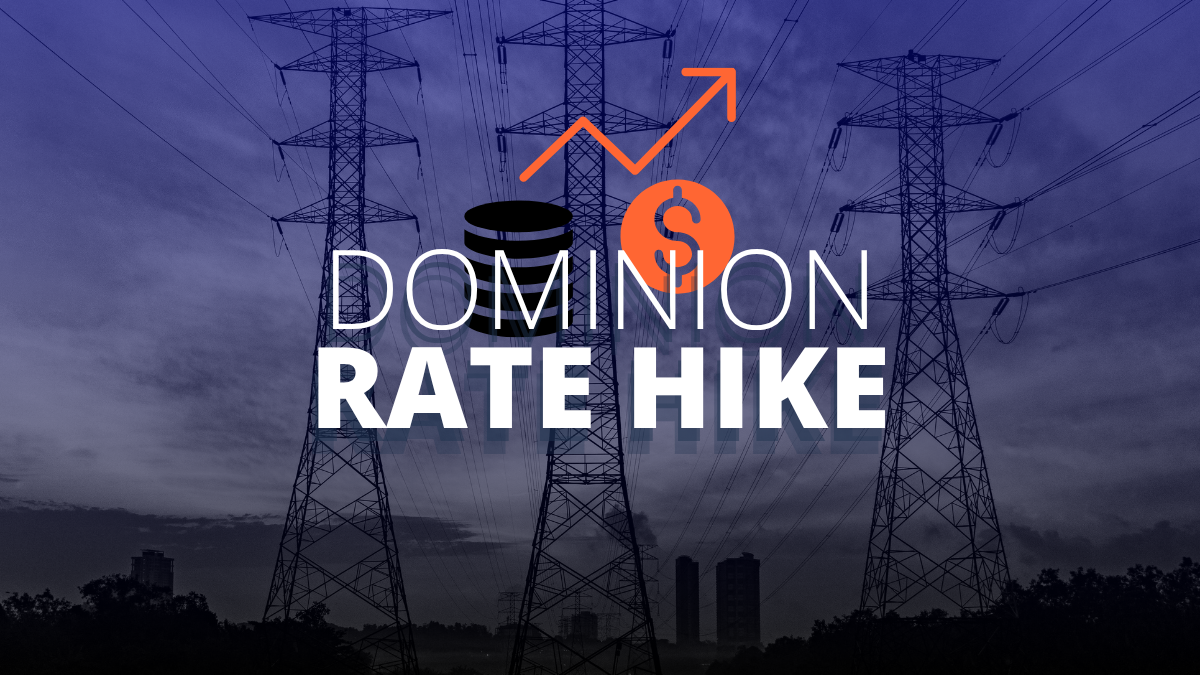
Dominion Energy, the electric service provider for nearly 130,000 customers in northeastern North Carolina, has filed a proposal with the North Carolina Utilities Commission (NCUC) that could raise monthly bills for residential customers by an average of $17.
“I think it’s ridiculous,” said North Carolina resident Bill Morse. “They already overcharge for electricity with all the fees and the extras that they put on the bills. It’s like a never-ending grab.”
A typical Dominion Energy customer in North Carolina currently pays about $134 per month, according to the company, translating to a roughly 12% increase in monthly bills. If the rate hike is approved by the NCUC, the new rates would take effect Dec. 1, 2026.
“Our Dominion Energy bills are high enough,” said North Carolina resident Gina Connor, adding, “Leave the prices alone. Do what you can to decrease the prices and not increase the prices.”
Dominion Energy’s proposal comes on the heels of a rate hike proposal from Duke Energy, the primary provider of electricity for North Carolinians. Duke Energy’s proposal would raise residential rates by as much as 18%.
Both rate hikes come as utility companies are making record profits. To see how much your utility company profits from your monthly electric bill, visit the Energy & Policy Institute’s Utility Profit Tracker.
The NCUC will review Dominion’s proposal and hold public hearings before issuing a decision. The NCUC is currently holding hearings on Duke’s proposal.
To find a public hearing near you, visit the NCUC’s website.