
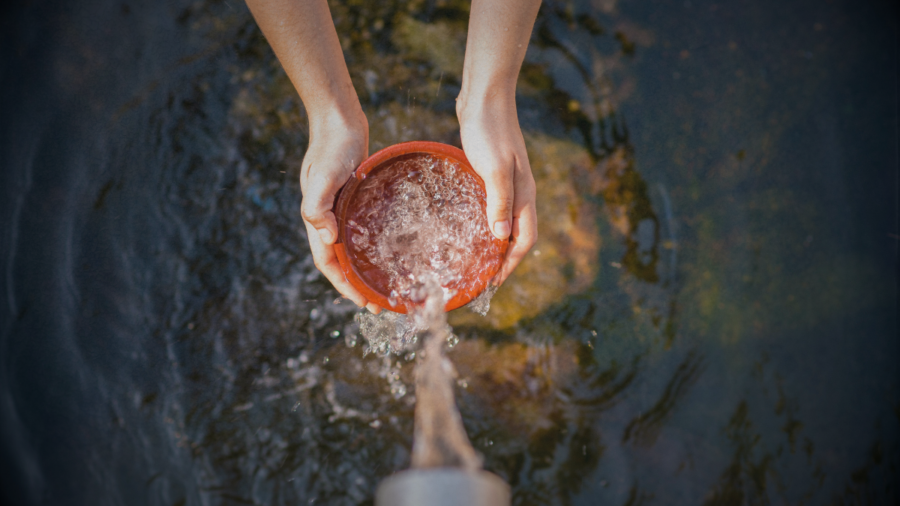
Source: WRAL
In a significant push to enhance water safety and infrastructure, North Carolina Gov. Roy Cooper announced a transformative investment exceeding $253 million aimed at improving water and wastewater systems across the state. This vital funding will benefit 30 counties and support 70 crucial projects.
“Safe drinking water and economic development go hand-in-hand,” Cooper told WRAL. “These funds, made possible by federal support and state appropriations, are historic investments to address aging infrastructure, particularly in rural areas. This will strengthen our state for the future.”
The funding will facilitate a range of initiatives, including the construction of new facilities, upgrades to existing water systems, and the removal of harmful contaminants. Notably, a portion of these funds targets the urgent issue of emerging contaminants like PFAS (per- and polyfluoroalkyl substances) and the replacement of lead service lines, both of which pose significant health risks to communities.
Among the noteworthy projects, the city of Fayetteville is set to receive a $30 million grant to establish a Granulated Activated Carbon treatment facility specifically designed to combat PFAS contamination. Known as “forever chemicals,” PFAS are notorious for their resistance to breakdown in the environment and the human body, raising alarms as they are linked to various health issues.
The Chemours Fayetteville Works plant has emerged as a pivotal source of water contamination in the region, highlighting the pressing need for effective mitigation strategies. Utilities are now under a federal mandate to meet new standards by 2029, further emphasizing the urgency of these projects.
This significant investment in water infrastructure not only underscores Governor Cooper’s commitment to health and safety but also reflects a growing recognition of the importance of clean drinking water as a fundamental right for all citizens. As communities across the state receive the support they need to combat water contamination, the hope is that these efforts will lead to a safer, cleaner future for generations to come.