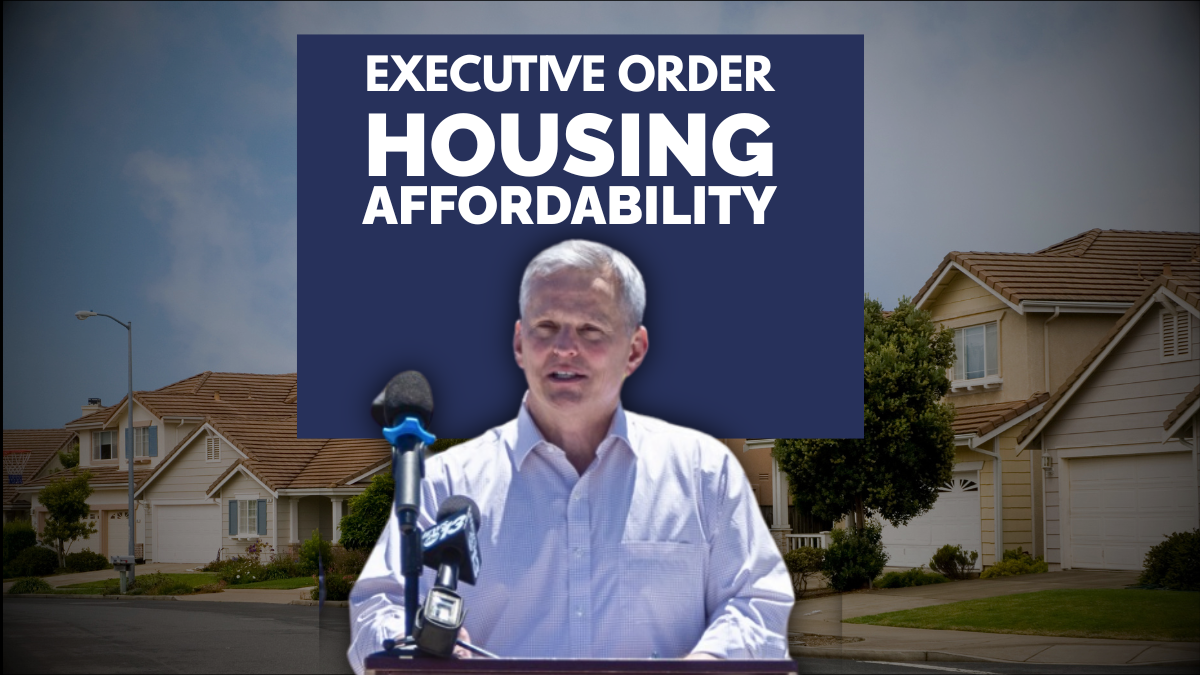
North Carolina Governor Josh Stein signed an executive order this May aimed at increasing housing supply and improving affordability, as the state is projected to be more than 750,000 units short of housing needs by 2029.
The order directs state agencies to work together and use data and technology to better understand housing needs, potential solutions, and where development can occur. It also establishes a new senior advisor for housing policy role within the governor’s office, intended to help coordinate efforts across state government to expand housing construction and improve access.
“People want to live and work here, but we simply do not have enough homes to meet that growing demand,” Stein said. “Housing is the single biggest expense that most families face, so if somebody’s rent or mortgage takes up too much of their monthly paycheck, that means that they have that much less to spend on other essentials.”
“We can’t just build more high-end homes and luxury apartment buildings,” the new senior advisor for housing policy, Janneke Ratcliffe, said. “We need multigenerational options, like backyard cottages, low-cost infill; and we need starter homes so that our young households can put down roots right here in our communities.”
Maysville Town Manager Schemata Brown attended the executive order signing on Stein’s invitation. Brown said Maysville is revitalizing its downtown by purchasing buildings to create apartments for moderate to lower-income residents. The county has a thriving school district and a new workforce development center to train young people in skilled trades, Brown noted.
“When you combine strong schools, workforce development and housing, you begin to see a full ecosystem of opportunity taking shape,” Brown said.
Stein’s executive order is part of a larger effort by the governor and legislative Democrats to address both housing problems and the broader affordability crisis. In the NCGA, Democrats have filed House Bill 1056 to allow residential development in all commercial zones and prohibit minimum parking requirements, and House Bill 1059 to raise the minimum wage from its current $7.25 an hour.
“North Carolina has not raised its minimum wage since 2009,” Stein said. “We need to dramatically increase the minimum wage.”