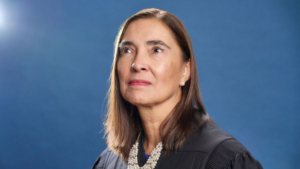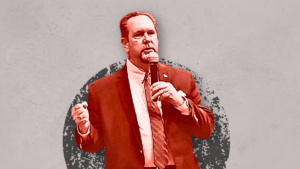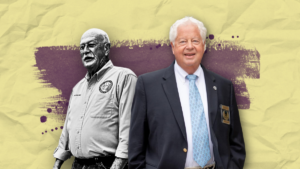
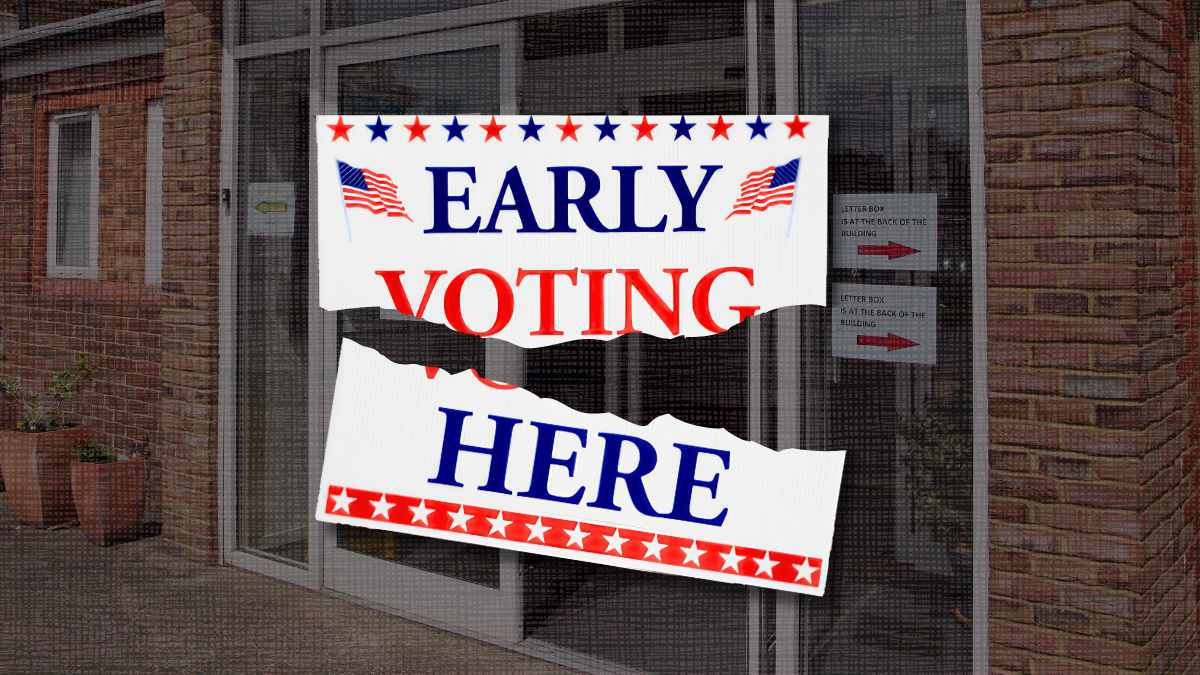
Republican state senators Warren Daniel (R-Burke), Brad Overcash (R-Gaston) and Mark Hollo (R-Catawba) filed a bill to reduce North Carolina’s early voting period. Early voting is the most popular method of voting in North Carolina general elections, dating back to 2020.
Senate Bill 1084 would cut the early voting period by an entire week, limiting North Carolinians to seven fewer days to express their constitutional right to vote. Under current law, early voting runs from the third Thursday before election day. The bill, if passed, would move the start of early voting to the second Thursday for all elections.
The last time North Carolina Republicans attempted to reduce the early voting period was in 2013 as part of a larger election bill that implemented photo ID requirements to vote and eliminated same-day voter registration.
A judge struck down that law in 2016, saying the legislation targeted “African Americans with almost surgical precision.”
The senators who have filed Senate Bill 1084 have not made public comments about the bill. Senators Daniel and Overcash are Chairmen of the Senate Elections Committee, a key committee the bill would have to pass to become law. Additionally, the idea to reduce early voting has support from Republican leaders in each chamber.
Senate leader Phil Berger (R-Rockingham) and Speaker of the House Destin Hall (R- Caldwell) have both previously stated that they believe the early voting period is too long. When Berger was asked about his thoughts on Senate Bill 1084, he said, “We’ll have to see.”
According to a 2024 Catawba College survey, the majority of North Carolinians (68%) believe the 17-day period is the right amount of time for early voting. Nineteen percent of respondents said there are “too many” days to early vote and 17% said there were “too few.”
This bill comes at a time when the Republican controlled State Board of Elections has already slashed early voting sites and hours in various counties across the state. It also comes after Democrats outnumbered Republicans in voter turnout during the March primaries.