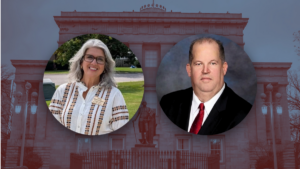
Cheri Beasley announced that her campaign has brought in its largest quarterly fundraising haul to date. Of all the candidates running to succeed the retiring GOP Senator Richard Burr – Republicans and Democrats alike – Beasley has led the way in fundraising.
Beasley is the favorite to win the Democratic primary in the North Carolina US Senate race, and she will report to federal election officials that she raised over $3.6 million in the first quarter of 2022, her campaign said.
First-quarter filings are due April 15. Beasley’s filings will not only show the whopping $3.6 million that she raised in the first three months of this year alone, but also the more than $5.1 million in her campaign coffers as of last week, according to her campaign.
Beasley was the first Black woman to be elected Chief Justice of the North Carolina State Supreme Court, and has received endorsements from several education, labor, and women’s rights groups, as well as endorsements from Democratic Governor Roy Cooper and Attorney General Josh Stein.
Associated Press reported that Beasley’s campaign manager, Travis Brimm, said in an emailed statement, ““We are grateful for the overwhelming support this campaign has received, which ensures we will have the resources to continue building a campaign that can win this November.”
On the other side of the aisle, there are 14 people seeking the GOP nomination; US Rep. Ted Budd, former Governor Pat McCrory, ex-Rep. Mark Walker and combat veteran Marjorie Eastman are among the high-profile candidates, with Budd leading the way in fundraising for GOP candidates.