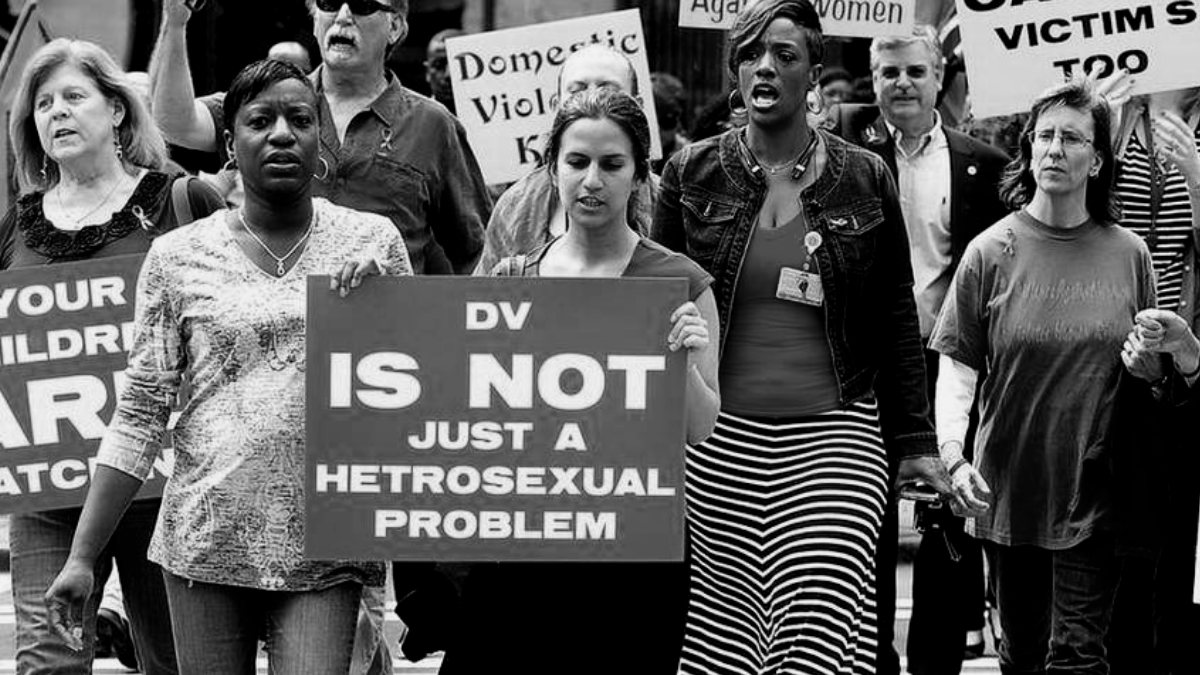
North Carolina Supreme Court ruled in favor of allowing victims of domestic violence in same-sex relationships to obtain restraining orders. This victory for the LGBTQ community is a result of a 4-year litigation battle, starting in Wake County.
The plaintiff, known only as “M.E.”, appealed after a Wake County district court ruled she was ineligible for a domestic violence protection order because the couple had never been married and were in a same-sex relationship. The ruling will nullify a law that stated only same-sex couples could seek domestic violence protection orders if they’re married or divorced. North Carolina is the last state in the nation to extend protections to same-sex relationships.
Conservative Justice Phil Berger Jr. authored the dissent, joined by Justice Tamara Barringer and Chief Justice Paul Newby. Democratic Attorney General Josh Stein, submitted a friend-of-the-court brief in the case. On Twitter, Stein called the decision “an important win for equality” in North Carolina. “It doesn’t matter who you are — every person in NC deserves to be treated equally under the law & be safe from their abusers,” the Attorney General wrote.
“She has courageously and tirelessly fought for almost 4 years to ensure not only that she has the protection she deserves, but that all victims in same-sex dating relationships in N.C. do as well,” said the plaintiffs attorney, Aimy McCool.