Source: Charlotte Observer
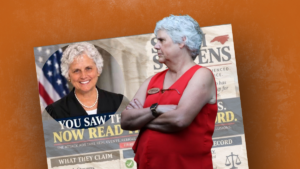
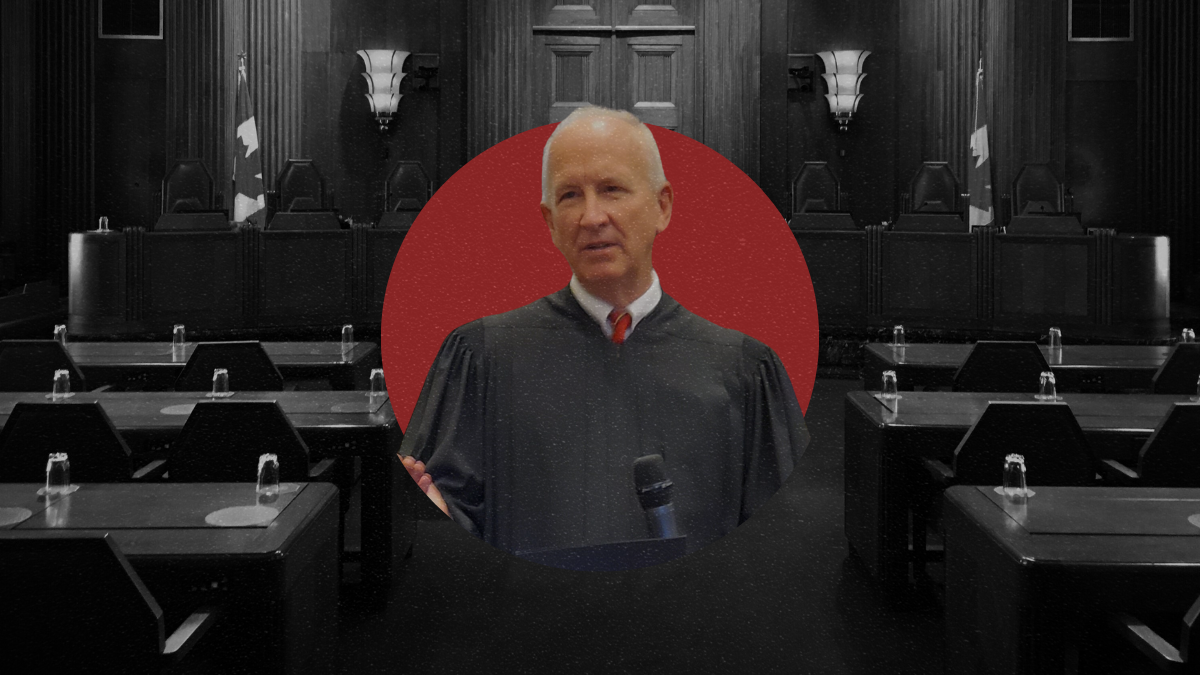
North Carolina Chief Justice Paul Newby won’t explain why he replaced Mecklenburg County’s top district court judge, Elizabeth Trosch. Newby chose to designate District Court Judge Roy Wiggins as chief, removing Trosch from the position she held for four years.
“There won’t be a comment on this from the Judicial Branch,” said the North Carolina Administrative Office of the Courts. Newby has declined interviews from multiple news outlets. Trosch has also received no explanation, she said, except that Newby wanted to go in a “different direction.”
North Carolina judges are elected, and Trosch remains on the bench though she has lost the leadership position. Both Trosch and Wiggins, the new chief district court judge, are Democrats. Newby is a Republican.
Trosch led the district court during the COVID-19 pandemic and as the state shifted to eCourts, a new online court record system to replace paper. A letter signed by other local judges after the news came out commended her for her “collaborative style,” especially during those moments. “She always involves her colleagues, other court partners and community members in her decision-making process,” the letter said.
Newby has replaced other judges in leadership positions. Earlier this year, Newby removed Judge Donna Stroud from her position as the chief judge on the North Carolina Court of Appeals and put Judge Chris Dillon in the role. Newby offered no explanation when the Raleigh News & Observer reported that change. A former Court of Appeals judge called it an “unprecedented” move.
“People generally just need two things from us, from the court,” Trosch said of her leadership philosophy. “They need to feel that they were heard, and that the process treated them fairly.”Read more at the Charlotte Observer.