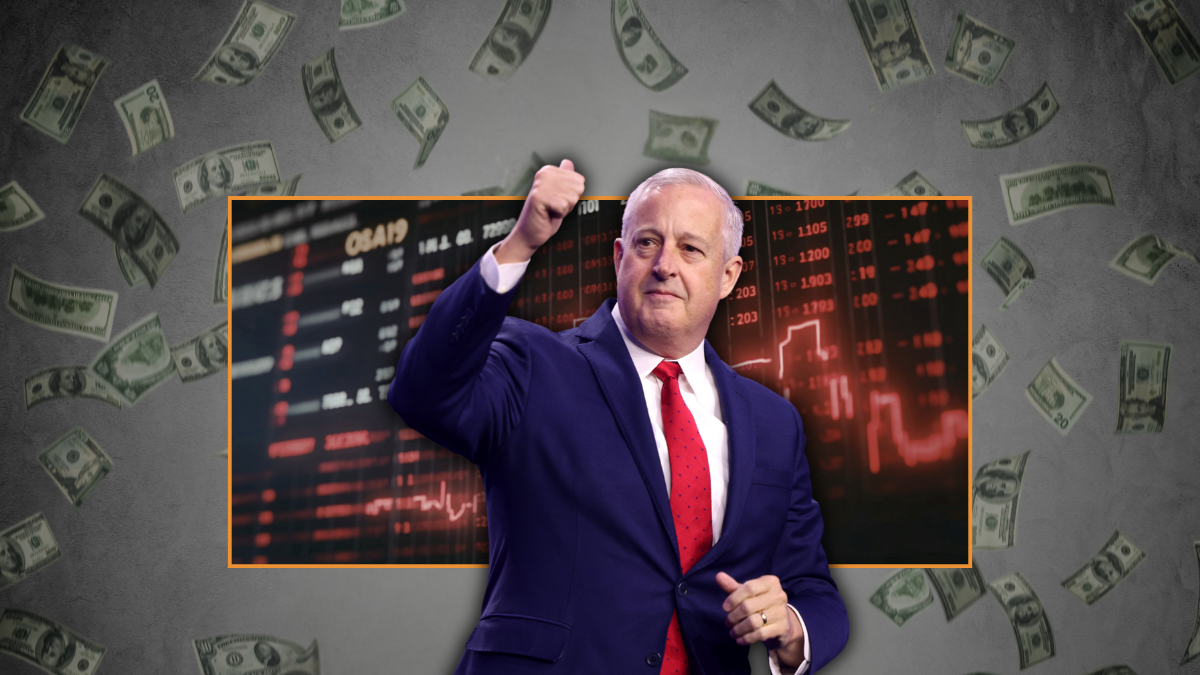
Republican U.S. Senate candidate Michael Whatley has spent much of the past year supporting policies that benefited major pharmaceutical and oil companies. At the same time, North Carolina families faced rising costs for prescriptions, gas, and everyday essentials.
Whatley actively pushed President Trump’s “One Big Beautiful Bill,” legislation that weakened Medicare’s ability to negotiate lower prices for certain prescription drugs and delivered “a windfall to pharmaceutical companies” while increasing out-of-pocket costs for seniors. The law delayed price negotiations for some high-cost medications and is expected to raise costs for Medicare patients.
Financial disclosures show that Whatley and his family hold investments valued at hundreds of thousands of dollars in pharmaceutical companies that stand to benefit from those changes. Questions about conflicts of interest have also followed Whatley’s ties to the oil industry, where he previously worked as a lobbyist and continues to hold major investments in oil and gas companies.
Those investments surged following Trump administration actions in Venezuela, which Whatley publicly praised as “a very important step.” Reports estimated his oil holdings increased by as much as $63,000 in a single weekend as oil company shares climbed.
Whatley also supported Trump’s actions during the war in Iran, even as rising oil prices boosted the value of his investments by up to $219,660. The conflict drove up fuel prices for consumers while increasing the value of major oil company holdings.
As voters continue to grapple with higher costs, Whatley’s financial disclosures are drawing renewed attention to how political decisions can benefit industries and investors while working families pay more.