
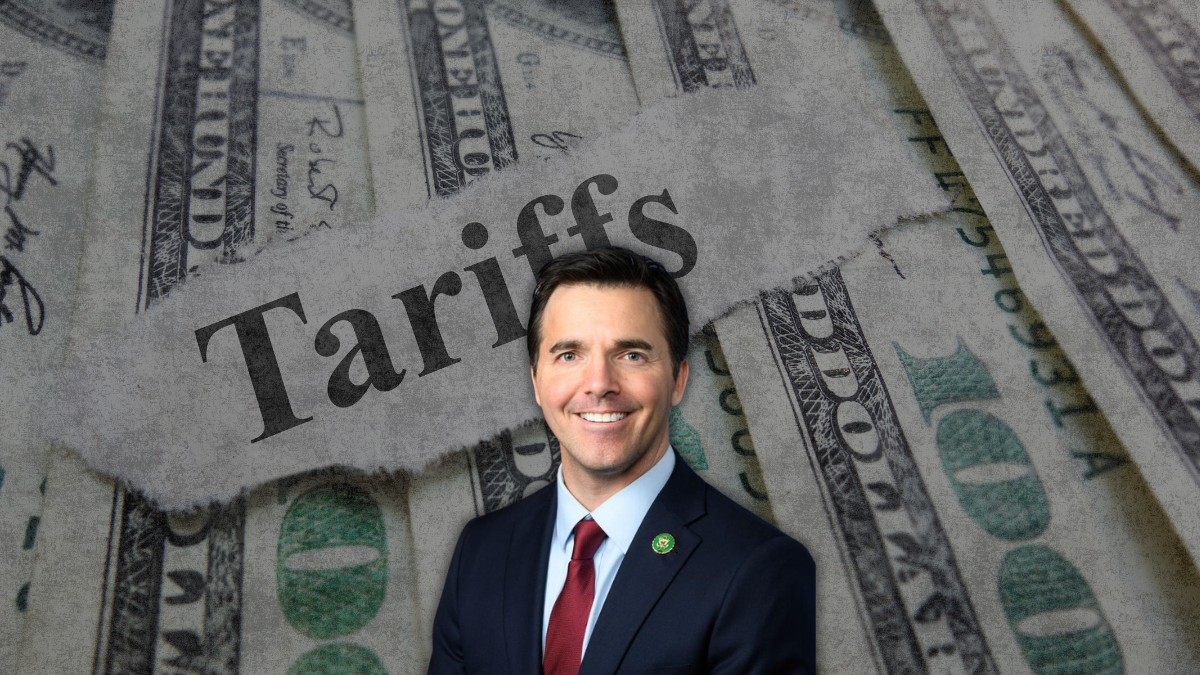
Last month, the Court of International Trade struck down the Trump administration’s latest round of tariffs, siding with North Carolina Attorney General Jeff Jackson and a coalition of other state attorneys general that the tariffs were illegal.
The second round of tariffs, imposed under Section 122 of the Trade Act of 1974, went into effect this February after the U.S. Supreme Court struck down the Trump administration’s first round of tariffs, imposed under the International Emergency Economic Powers Act (IEEPA).
Jackson and a coalition of attorneys general sued to block the Section 122 tariffs, arguing that they were illegal because Section 122 doesn’t authorize the president to issue tariffs under the country’s current financial circumstances.
The Court of International Trade agreed, stating that the president doesn’t have “inherent authority to impose tariffs during peacetime” and that the authority belongs to Congress.
“The first round of tariffs already cost North Carolina $3.5 billion, and the latest round was on track to cost families up to $1,300 this year,” said Jackson. “That’s a lot of money. Throwing out these tariffs keeps that money in people’s pockets for food, gas, rent, and medicine.”
Jackson is encouraging North Carolina businesses that were impacted by the federal administration’s first round of illegal tariffs to apply for refunds. For now, eligible businesses can apply for refunds through a portal on the U.S. Customs and Border Protection website. Jackson has called on Congress to make the refunds automatic and to direct businesses that passed along tariff costs to consumers to reimburse their customers who ultimately bore the financial burden.
On the same day the tariffs were struck down, Jackson, a bipartisan coalition of attorneys general, and the U.S. Department of Justice reached a settlement to shut down a secret data exchange used by meat processors to coordinate higher prices at grocery stores across the country.
Reports from the company Agri Stats were giving meat processors insights into future inventories, which allowed them to raise prices when they knew supply would be low, as well as detailed competitor data, enabling producers to identify opportunities to raise prices. Notably, these reports were allegedly only being sold to meat processors, not grocery stores, restaurants, farmers, or workers.
“This is exactly the kind of rigged game that upsets people, and we’re here to take it down,” said Jackson. “Meat processors had a secret tool that helped them raise prices on chicken, pork, and turkey. Families paid higher prices so a handful of companies could profit off information no one else was allowed to see. That’s not a market; it’s an illegal conspiracy – and we just ended it.”