Want to celebrate Pride in North Carolina? Here’s a list of upcoming events
At a time when LGBTQ+ communities continue to face political attacks across the country, these events offer spaces for joy, solidarity, and connection across North Carolina.

At a time when LGBTQ+ communities continue to face political attacks across the country, these events offer spaces for joy, solidarity, and connection across North Carolina.

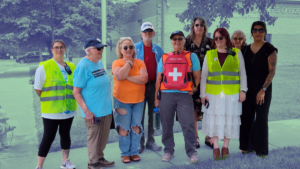
The start of the Atlantic Hurricane season, which began on June 1st, is bringing back memories for many North Carolina communities that are still recovering from Hurricane Helene two years later.

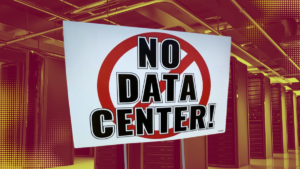
“We’re extremely disappointed, although not surprised,” said Terry Bravas, a Lake Norman-area resident. “This decision is a complete abdication of the utility commission’s responsibility and, in my judgment, a demonstration of a lack of integrity by the commissioners and the public staff.”

The fight for fair maps is far from over as we continue to face relentless voter suppression tactics that target Black and Brown voters. From the recent Callais decision to the elimination of crucial voting sites at historically Black colleges and universities, voting rights are a hot-button issue.

There is an affordability crisis in North Carolina, and Duke Energy is making it worse. North Carolinians should not have to choose between putting food on the table and paying their high utility bill due to rate hikes.

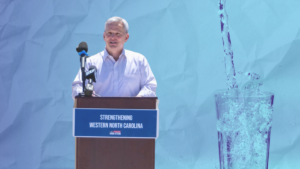
“Investing in rural infrastructure unlocks opportunity,” said Stein. “When we strengthen rural North Carolina, we empower local economies, we connect our people to critical services, and we ensure that no matter where someone lives, we offer them a fair shot at success.”

The focus of the march is to hold state Republican lawmakers accountable for failing to fully invest in public education, as shown by the absence of a state budget and the dismissal of Leandro by the state’s highest court.

“Generating power at giant plants far away and transmitting it across long lines is inefficient and extremely vulnerable,” economic and community development specialist Ian Baillie said. “If we generate power inside communities and keep the distribution inside those communities, outages affect smaller areas and are easier to fix.”

“Rural communities are the backbone of North Carolina, and it’s important that we hear directly from people across our state… These listening sessions help us focus our efforts and make smart investments in economic opportunity, infrastructure, education, and health care.”

As North Carolina heads toward a competitive 2026 election cycle, the outcome of this policy shift may have far-reaching consequences.