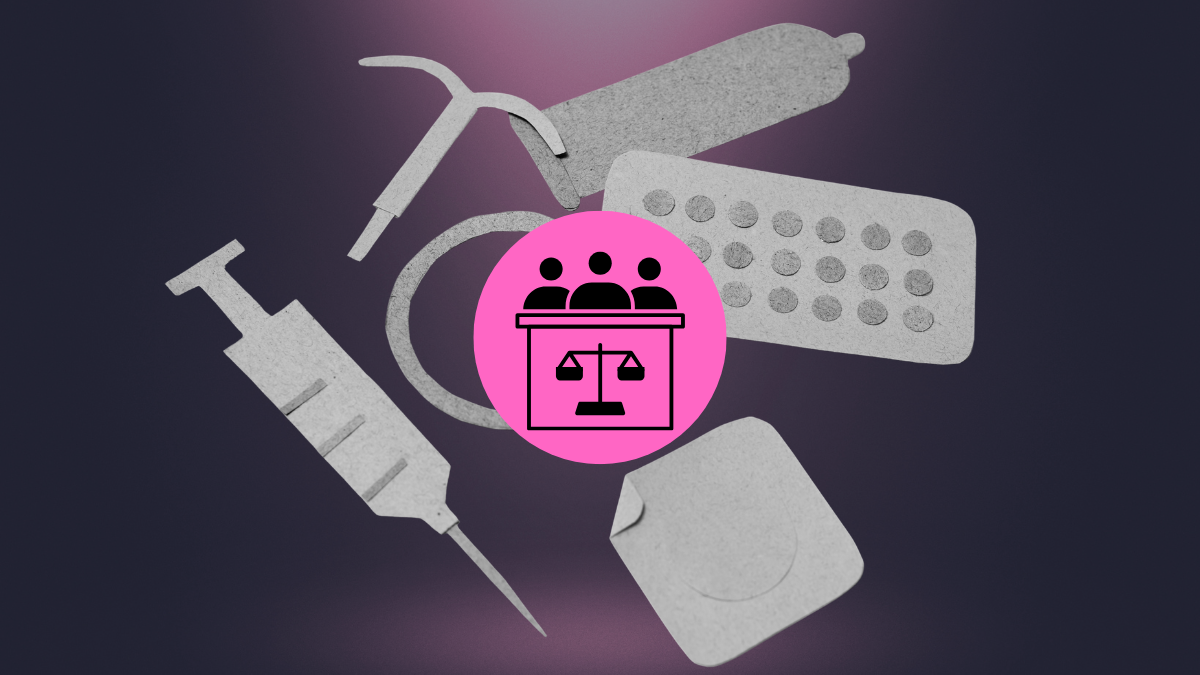
In the last few years, the U.S. Supreme Court has played an outsized role in shaping abortion access across our country. We have witnessed the nation’s highest court swing back and forth regarding federal protections, including in its latest decision to preserve nationwide access to mifepristone— one of two medications commonly used in abortion care.
For now, there are no changes regarding abortion access, but it’s clear that the conservative-leaning justices on the Supreme Court are itching for further restrictions.
The efforts to erode protections do not stop at the federal level but extend to the state level as well. Three years ago, North Carolina Republican lawmakers passed Senate Bill 20, which added a multitude of measures that restrict access to abortion across the board.
Since its passage, many North Carolinians have faced medically unnecessary barriers at every stage of care, and pregnant women are being denied necessary care.
With federal protections uncertain, our state courts and state constitutions will become the front lines in the fight to protect civil rights and personal freedoms.
Ahead of this November’s election and in the years that follow, voters shouldn’t forget that state judges’ rulings affect our communities and day-to-day lives. And in North Carolina, these judges are not appointed — we elect them for the state Supreme Court, Court of Appeals, Superior Courts, and District Court seats.
With the increasing criminalization of abortion, pregnancy outcomes, and reproductive healthcare, our state courts will be the strongest avenues left to defend our fundamental freedoms and hold state lawmakers accountable when they overstep constitutional limits.
In North Carolina, a fight for reproductive freedom must include a fight for fair and independent judges.